“Fifty percent of your Kung fu comes from me, fifty percent come from your own hard work.”
Sifu Matt Johnson
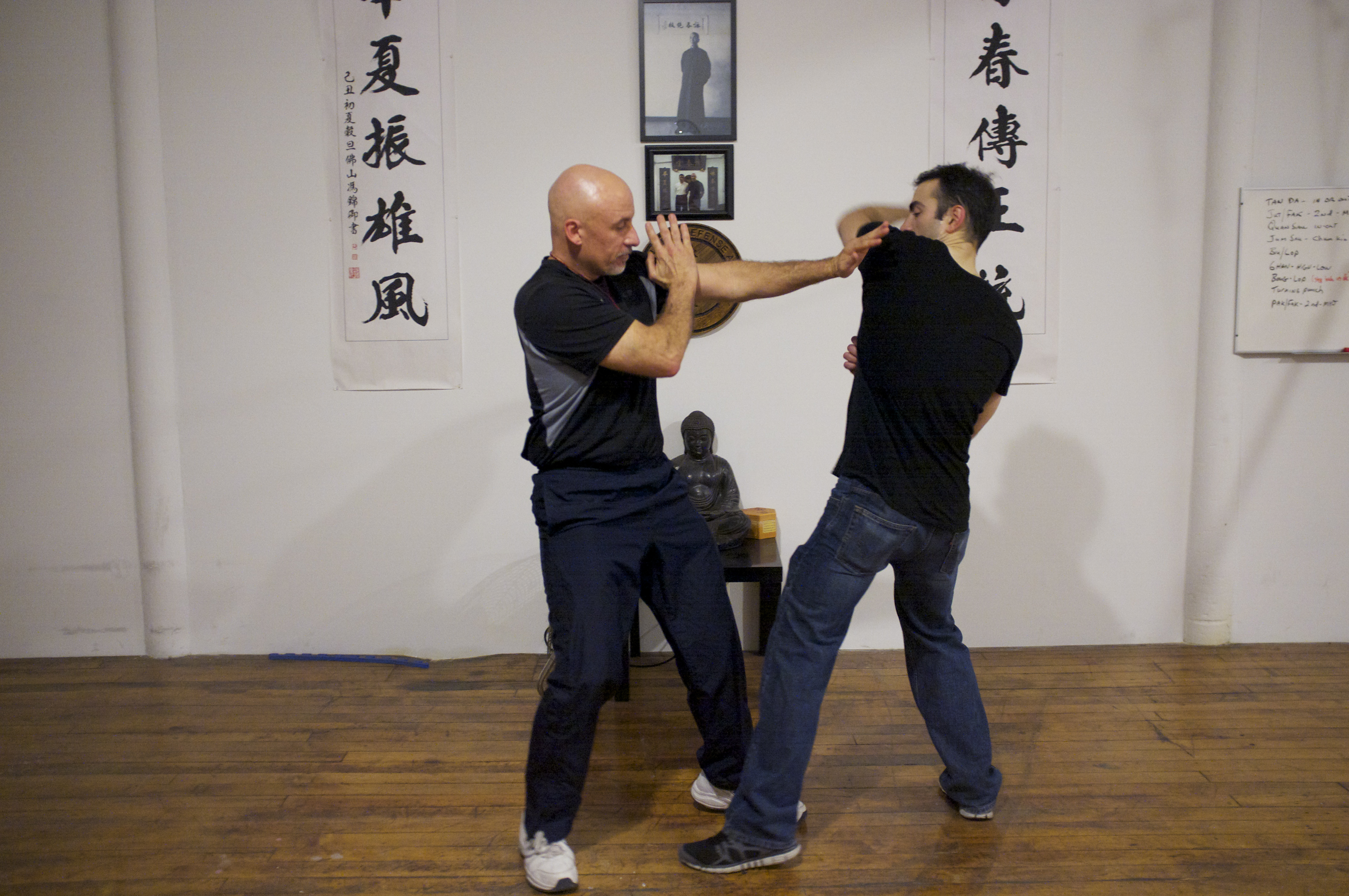
“Fifty percent of your Kung fu comes from me, fifty percent come from your own hard work.”
Sifu Matt Johnson
“Can I teach you to fight? No I can’t. What I can do is teach you Ving Tsun, give you a toolbox of tools and show you how to use them. Whether or not you can fight is up to you and how much you train. But that has to come from you, not me.”
Sifu Matt Johnson
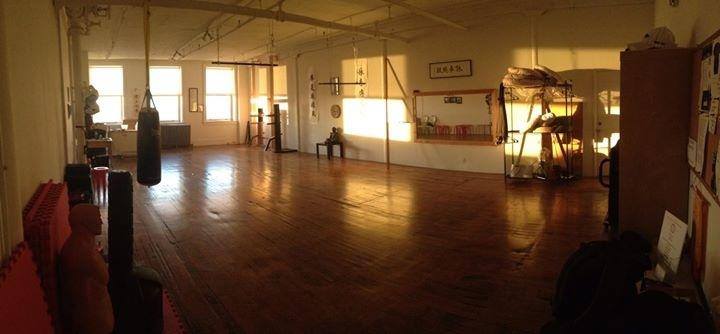
“It all comes down to having good, solid fundamentals.”
Sifu Matt Johnson
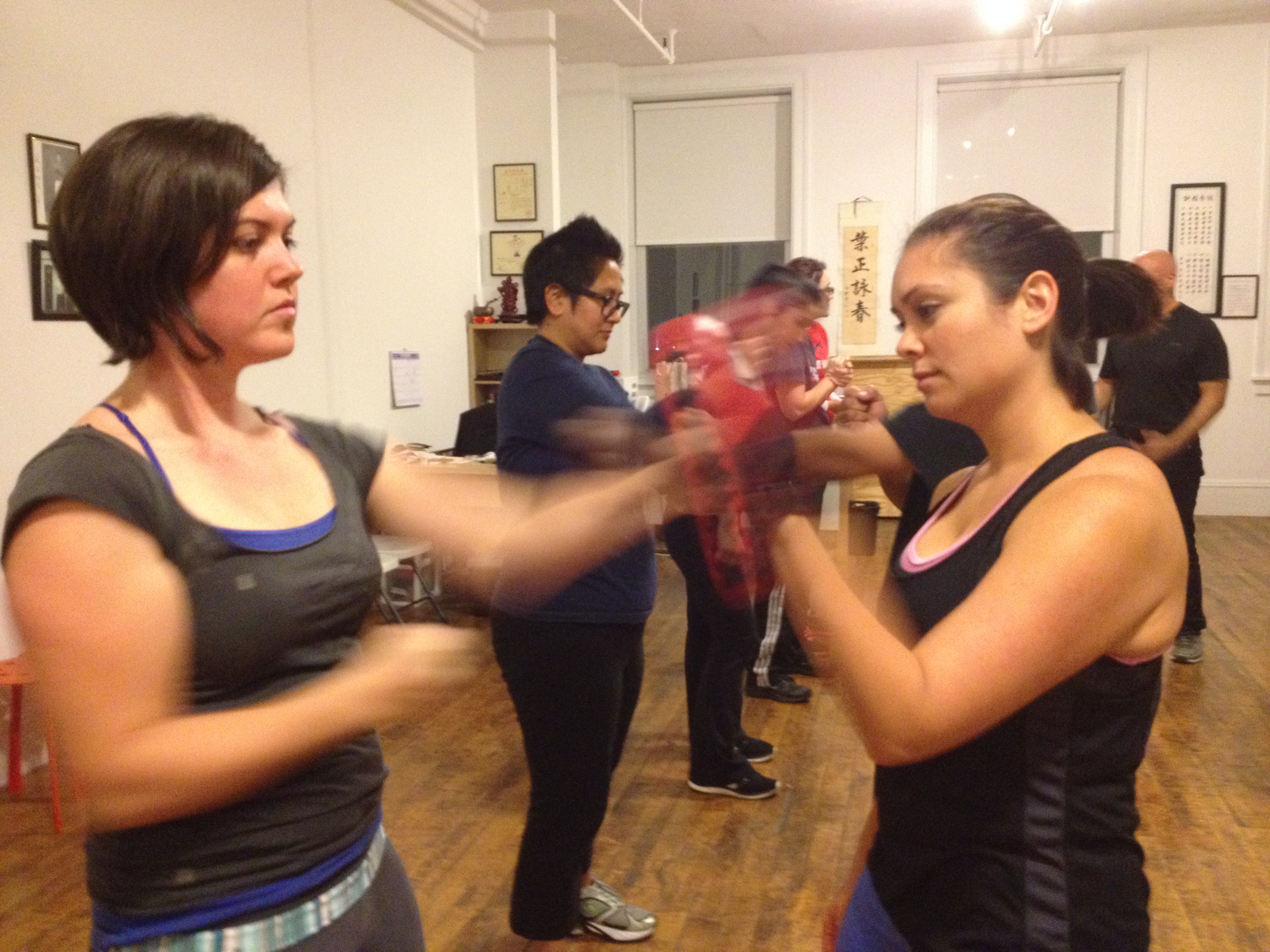
It’s not unreasonable to say that martial arts movies have been one of the driving forces behind the arrival and spread of martial arts and kung fu in the United States. On one hand this has been great because it’s helped introduce generations of new people to many wonderful martial arts styles and families of kung fu.
On the downside, some movie martial arts may sometimes give some people misconceptions and misunderstandings about the realities of kung fu. This is problematic because when people are looking to study a martial art, all they may know is based on what they’ve seen in the movies.
Here’s three things people believe with enough frequency, that they walk into martial arts schools and ask about them:
1. You can fight 10 guys (or more) at once and win. Admittedly, this scene from the Ip Man movie is spectacular to watch but as the saying goes, “don’t try this at home.”
2. Flashy moves and fancy techniques are effective in a fight. Everyone loves Bruce Lee movies. They’ve started more than one martial arts career, mine included but they’re a veritable catalog of flashy and fancy.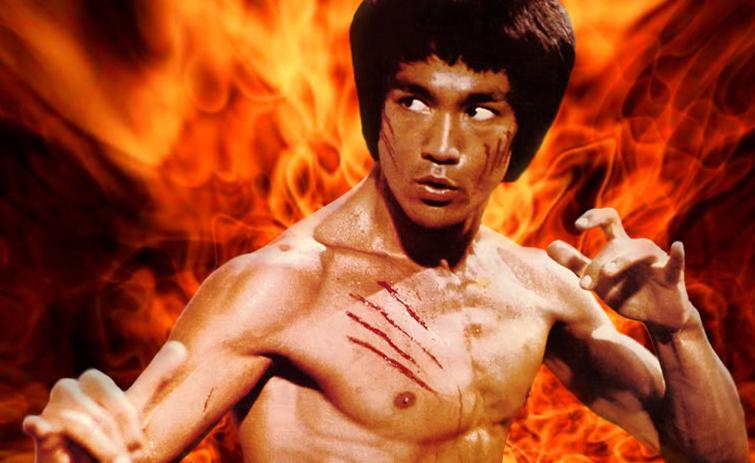
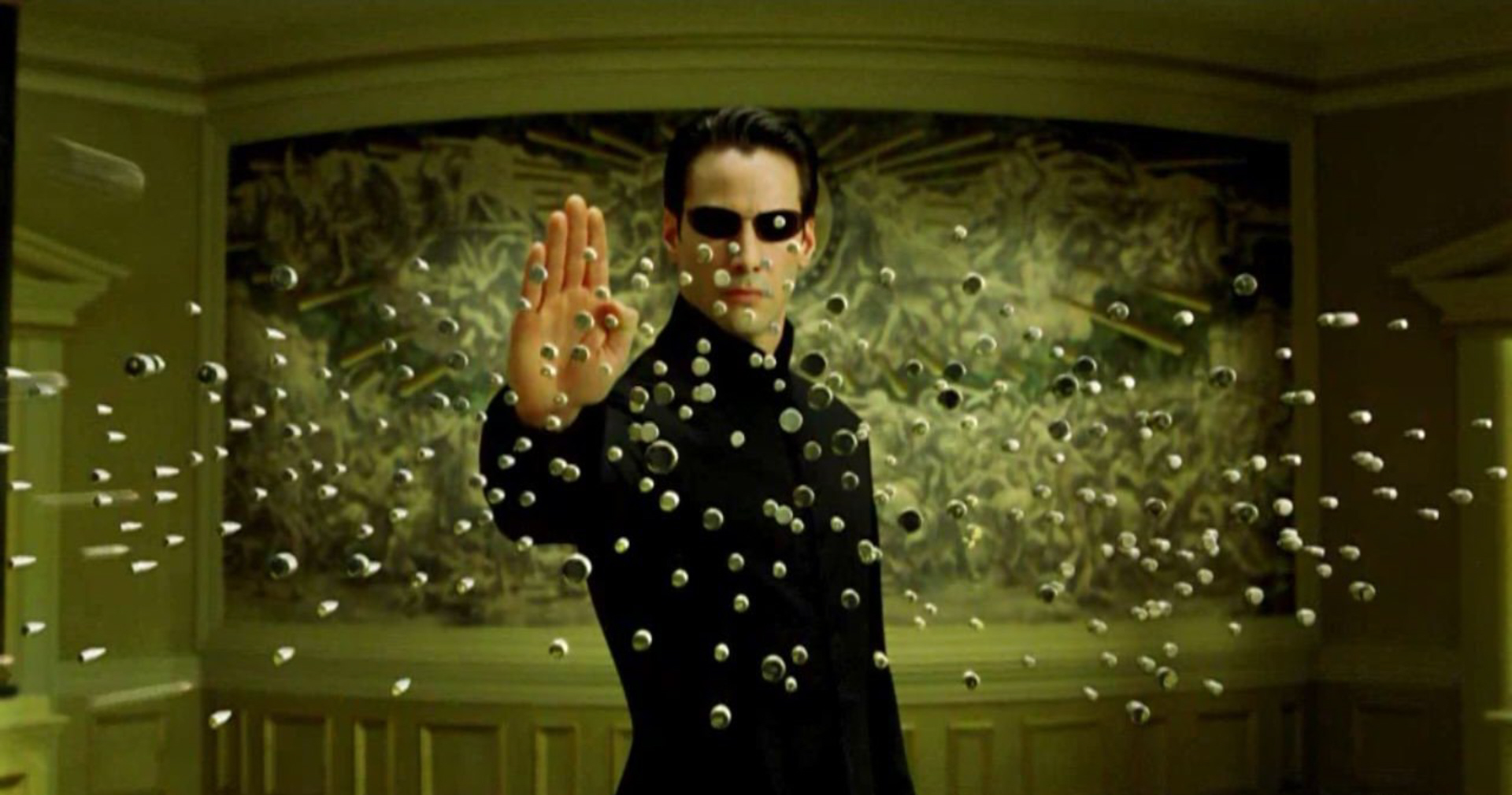
3. You are unbeatable. The Matrix is an awesome movie. Love it. But Neo, sorry, no one is unbeatable.
This leads to unrealistic expectations on numerous levels. There are better ways to approach figuring out what style might be right for you and then for finding a qualified school with a teacher and atmosphere that feels right for you too. But no matter the style you choose, three things will always be true:
1. No one will ever fight ten guys at the same time and win. We should all try to be smart and avoid situations that could lead to something like that. One thing any real martial art, any genuine Sifu should teach you is humility and good sense. Humble sensible folks don’t go around starting fights and avoid places where they’re likely to erupt.
2. Simple, direct, straightforward techniques will get the job done. Ving tsun (pronounced wing chun) kung fu is famous for it’s center line theory. While the other guy gets fancy you can just hit him. Or in life, find simple direct solutions for every day challenges.
3. No one is unbeatable. There’s always someone bigger or tougher; or someone who’s just trained more. Or someone who got more sleep that day. And anyway, the real winner is the person who avoids the fight in the first place. Being a peaceful person, now that’s really unbeatable.
If you’re looking for a martial art to learn, we’re happy to talk to you about what we do here. And we promise, nothing flashy, just real, traditional kung fu in a friendly, informal environment. Call us. We’re happy to answer your questions. 1-773-301-6257 Thanks so much for stopping by.
Sifu Matt believes that to just train external Kung Fu is only half of the training. The other half is meditation and Chi Gung practice. At the academy we don’t just train Kung Fu, we also train the mind with meditation and the internal state of the body with the practice of Chi Gung or energy/breath work. Sifu Matt teaches sitting meditation help to relieve stress and helps us to live in mindfulness everyday. We must learn to keep our mind balanced and calm. Not only is this important for Kung Fu practice, it is important for everyday life outside of the academy.
Chi Gung is the practice of gentle movement combined with breathing in order to exercise our internal energy, or “Chi”. It seeks to work the internal, whereas Kung Fu Training works the external. There are many different kinds of Chi Gung exercise, some are slower, more like Tai Chi Chuan, some are faster and use more power to strenghten the muscles and tendons. Contact the academy to learn more about learning these two practices.
“If fighting is all you’re concerned with, you don’t need to learn kung fu for that. Just go out and get in a lot of fights. Eventually, you’ll figure it out. Of course, you might get killed in the process. So, there’s that.”
Sifu Matt Johnson
Anyone can get to that place where we feel like we know it all. I know all my forms. I got my certificates. I’m a certified bad-ass. This however is a trap leading to mediocrity in our kung fu or martial arts training. Even worse, this belief can lead to so-so performance in other areas of life. The way we do one thing is the way we do everything. Think about it.
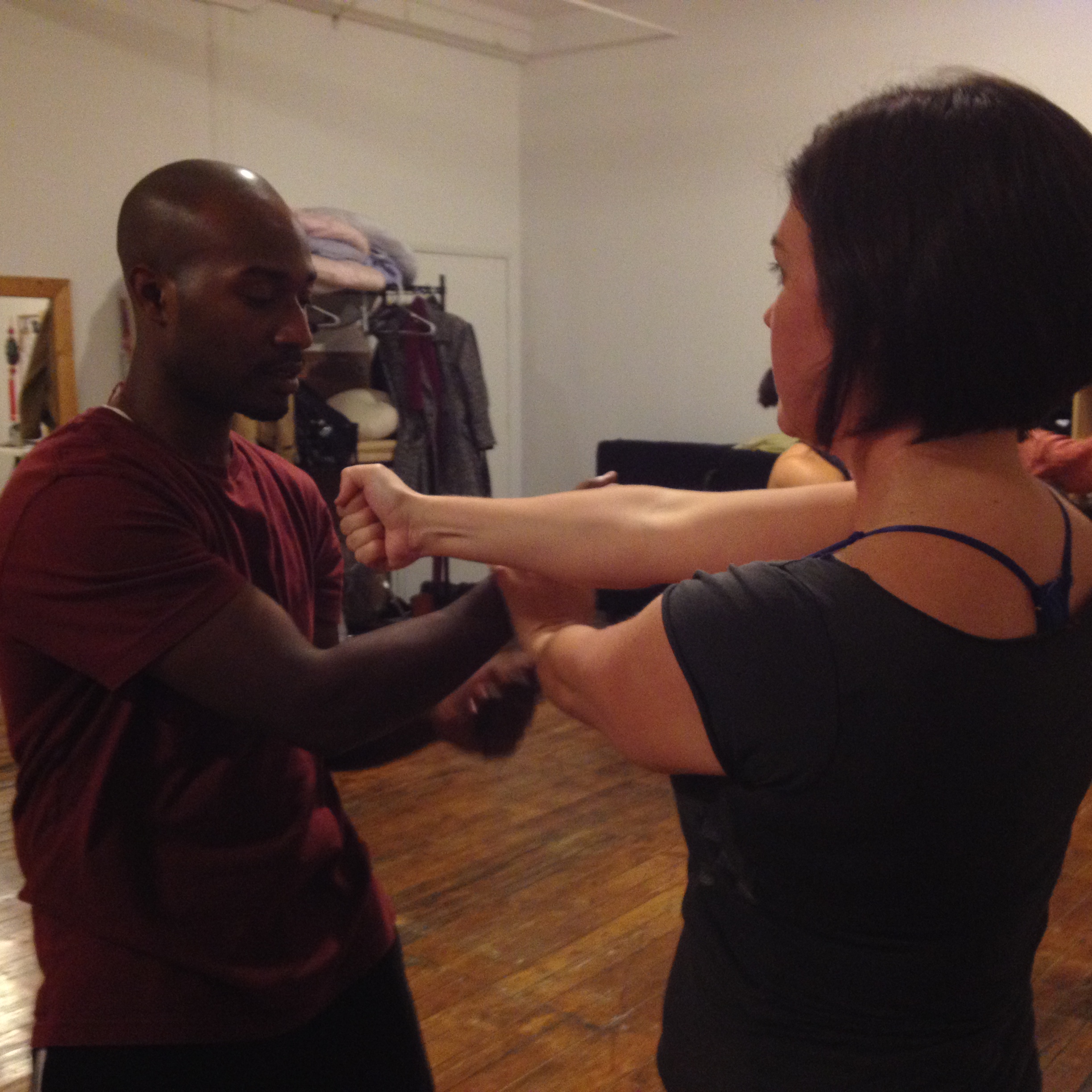
Pursuit of Mastery is Ongoing
It’s important that current kung fu students are always coming in on a regular basis to train and continue learning. Critical that even “advanced” students come in to train and work with younger, less experienced students. This is a central part of martial arts schools everywhere. There are several reasons.
1. Investigate, Try, Apply, Repeat
Here’s part of the answer: Because, “advanced” students who have completed learning a set number of forms etc. have not really completed their martial arts study; they’ve only finished a segment of their training. The certificate which says you’ve learned a kung fu form means that you know all the moves and have a basic understanding of what they all mean. To fully investigate how they might be applied in a self defense situation, requires more training, more chi sau, more conversations and questions with your Sifu.
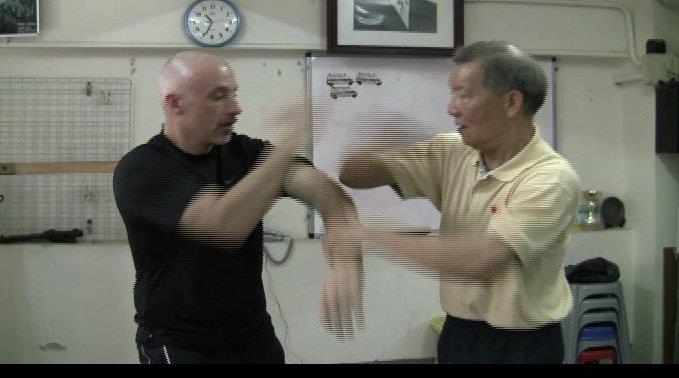
2. Martial Arts is a Way of Life
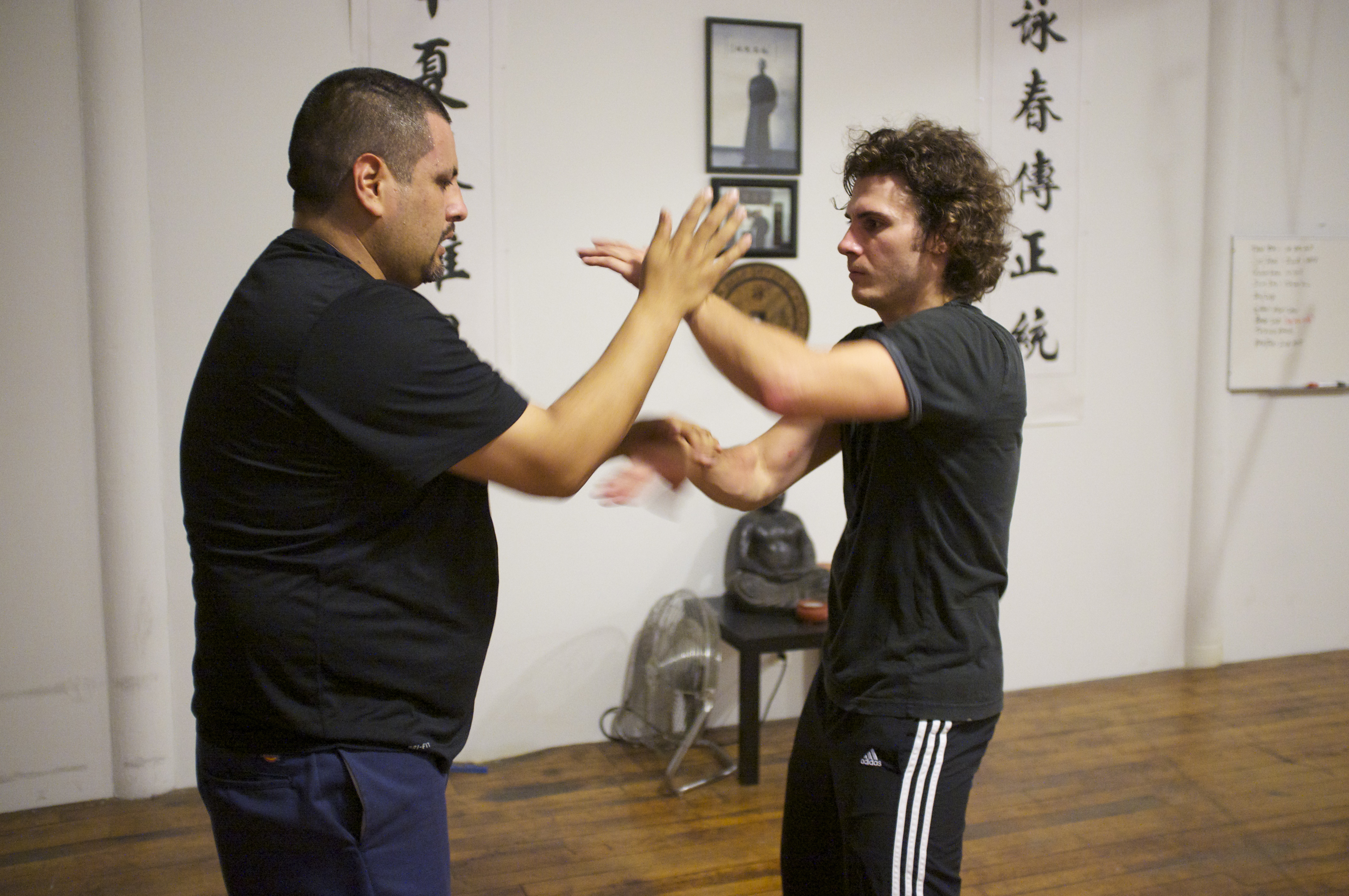
This is yet another beginning. This is where the next level of understanding of practice begins which informs not only the body but the mind and the spirit. This is where we begin to crack open the doors to understanding how kung fu is a way of living and not just a solution to being in a rough spot if someone threatens you with their fist. Ving Tsun kung fu is how we approach life every day. Focused. Relaxed yet Determined. Pure of intent. Like the Chinese coin; strong in the center, round on the outside. Doing all we can to make the world a better place.
The Ving Tsun Self Defense Academy is excited to announce a new ving tsun (wing chun) kung fu self defense class just for women! Learning kung fu not only builds self defense skills but also develops fitness, strength, patience, determination. (It’s also a great stress reliever!)
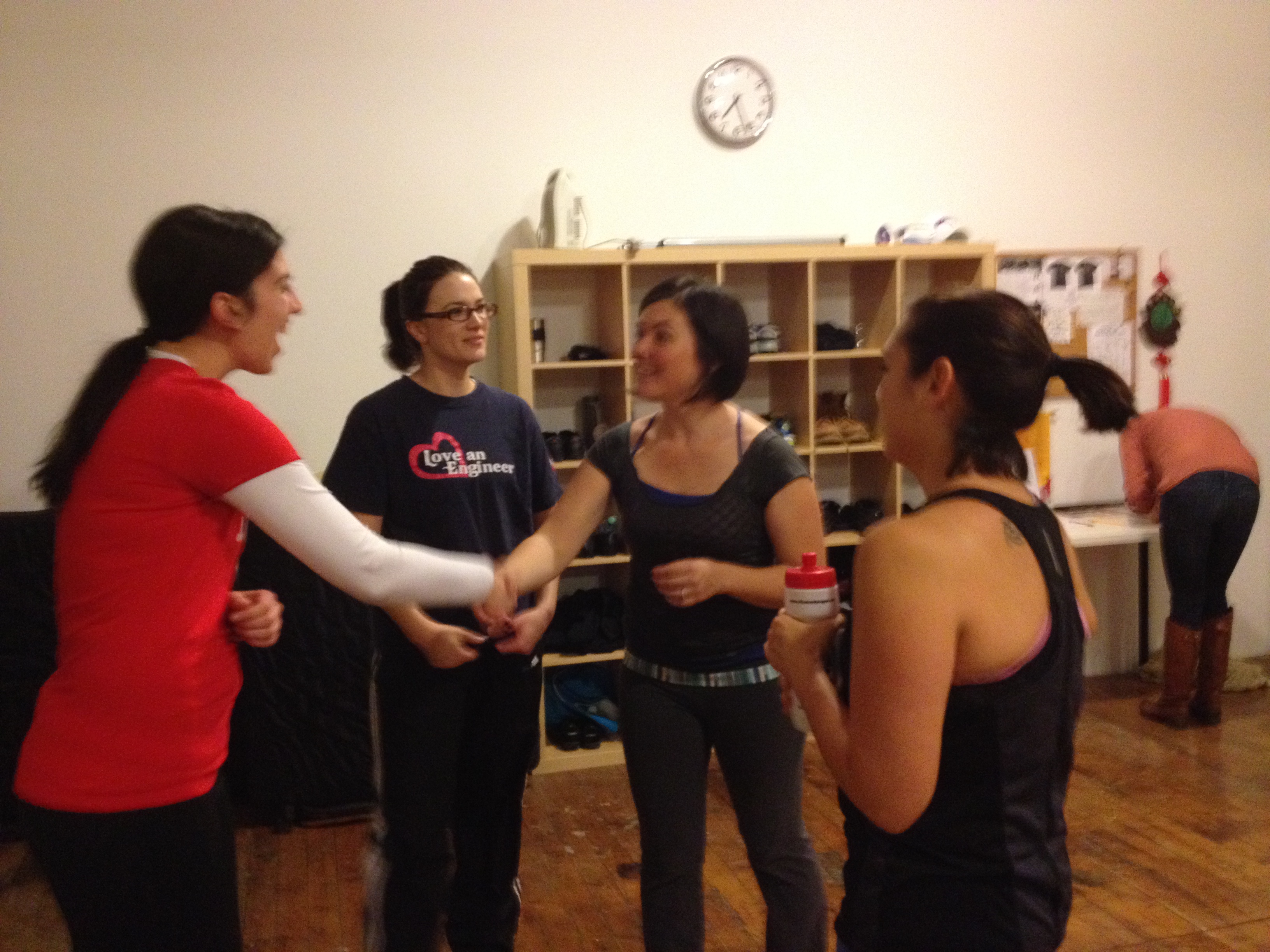
We know it can be intimidating to walk into a martial arts school. That’s why we’re now offering a class just for ladies. You’ll get the same excellent instruction as in our open classes but being in an all female self defense class makes getting started fun and easy.
The VSTDA is dedicated to helping anyone who wants to learn ving tsun (wing chun) kung fu self defense, to be able to learn it. It’s important to get access to classes where you can feel comfortable and really able to learn. That’s our goal at the Ving Tsun Self Defense Academy.
Whether you’re brand new to kung fu or have trained in a martial art before, you’re welcome here. This class will emphasize solid fundamental wing chun kung fu skills and practical self defense applications. Questions are highly encouraged. Our school atmosphere is friendly, non-competitive and familial. We want you to understand exactly what you’re learning and how to apply it. As you learn the basics in this simple, highly effective self defense system, you’ll gain confidence and skills that will prepare you to step out more safely.
Classes meet Saturdays, 11am – noon starting in December so you can get a jump start on your 2015 resolutions! Tuition is just $80/month. You can also try out a drop in class for $25.
Drop Sifu Matt an email or call the school to learn more and sign up. And bring a buddy! It’s always more fun to train with a friend.
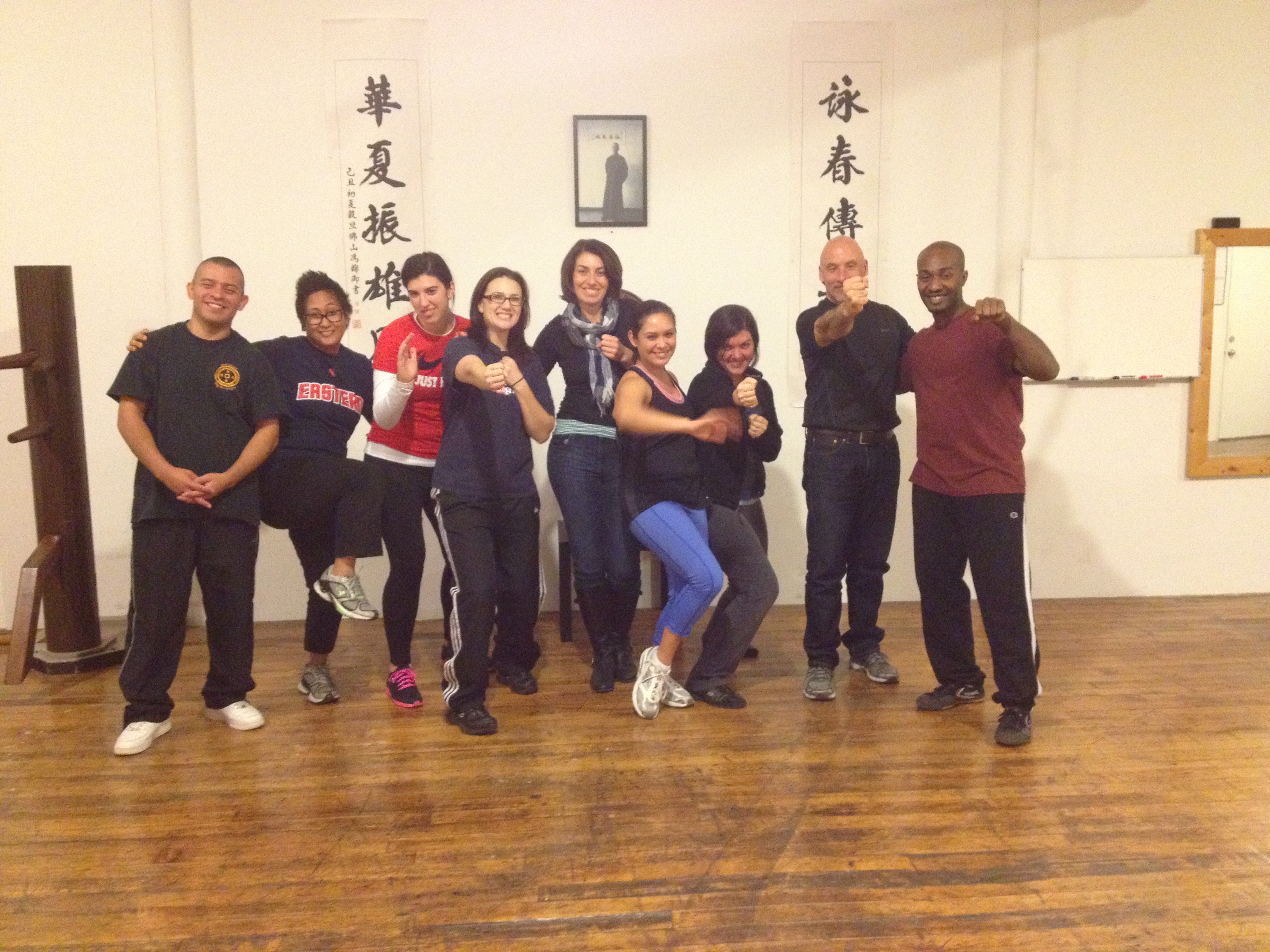
Often enough I get asked about how to train when you only have a short period of time. After all, not everyone has the luxury of having most of their day to devote to training. What if you only have 30 minutes to an hour for your training outside of class? In part, the answer depends on what your training goals are for the day. Do you want to work on over all physical fitness, do you have a training partner available, or will you be doing your training solo? Here’s three brief answers on how to approach each scenario.
1. 30 Minutes is Good
First of all, actually, 30 minutes is a decent amount of time; you can get a lot done. 30 minutes is perfect for developing good over all physical fitness, which keeps you healthy and improves your Ving Tsun too. You could go for a nice brisk walk, or a run, do some weight training etc. What resources do you have at your disposal? Do whatever exercise you enjoy.
If you’re training your Ving Tsun, in addition to training your forms which only take a short period of time, (you can go through all three forms in about 20 minutes) what else can you do to improve your chi sau skill?
2. Train with a Buddy
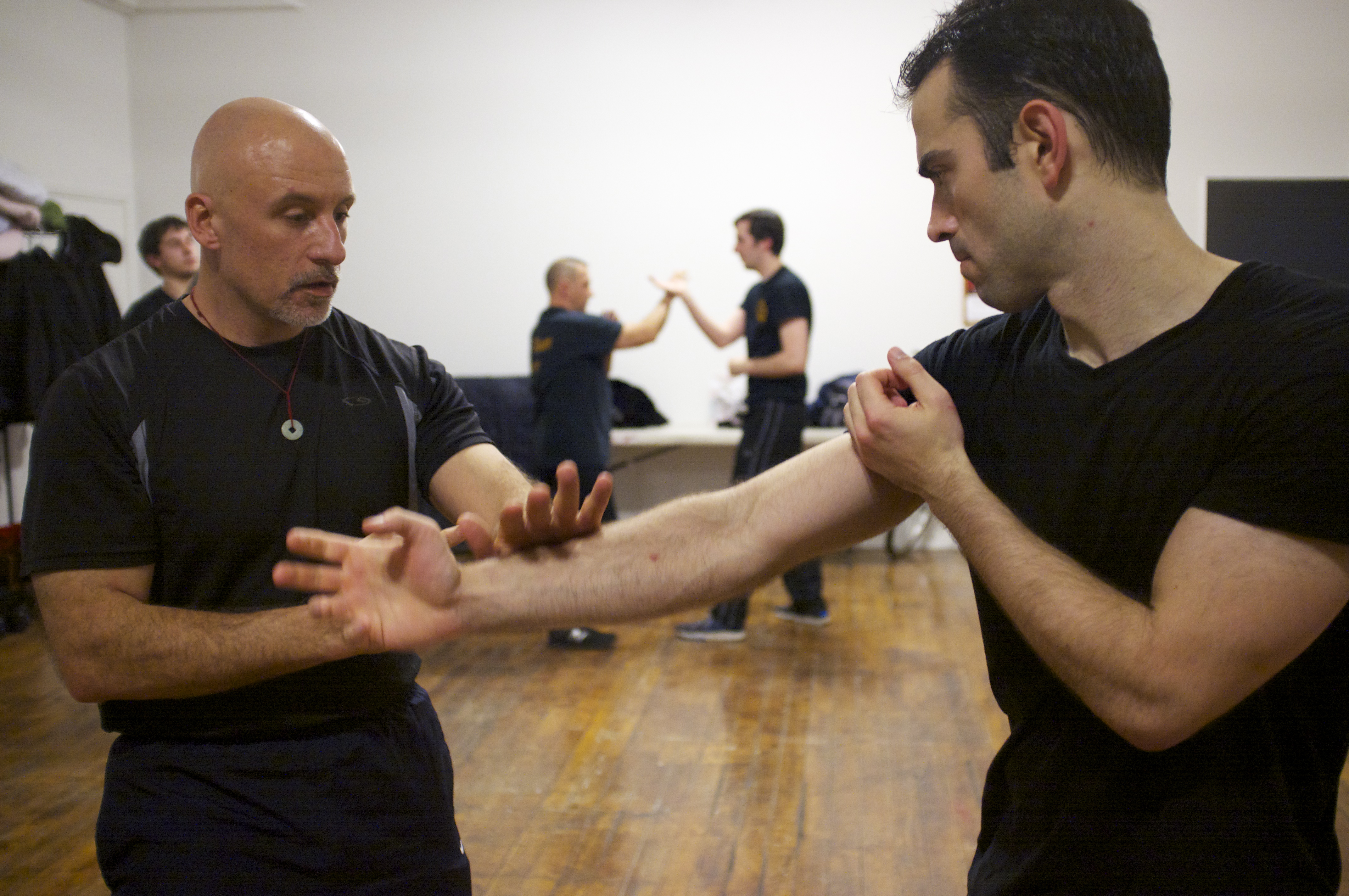
Well, then, we’re at number two: nothing beats a live training partner. Training with another person is the only way to build your skills under pressure. I’ve seen certain training devices with springy arms etc., that claim to be able to build chi sau skill, but I’m not convinced that these have any benefit at all. Why not? Because these are “dead” devices; they cannot fight back and give you the pressure you need to train your sensitivity and reflexes.
3. Solo Training of Punching
But what if you’re training alone and still want to build your chi sau skill? This brings me to a third answer to the 30 minute training dilemma.
Well, there are two key practices for you:
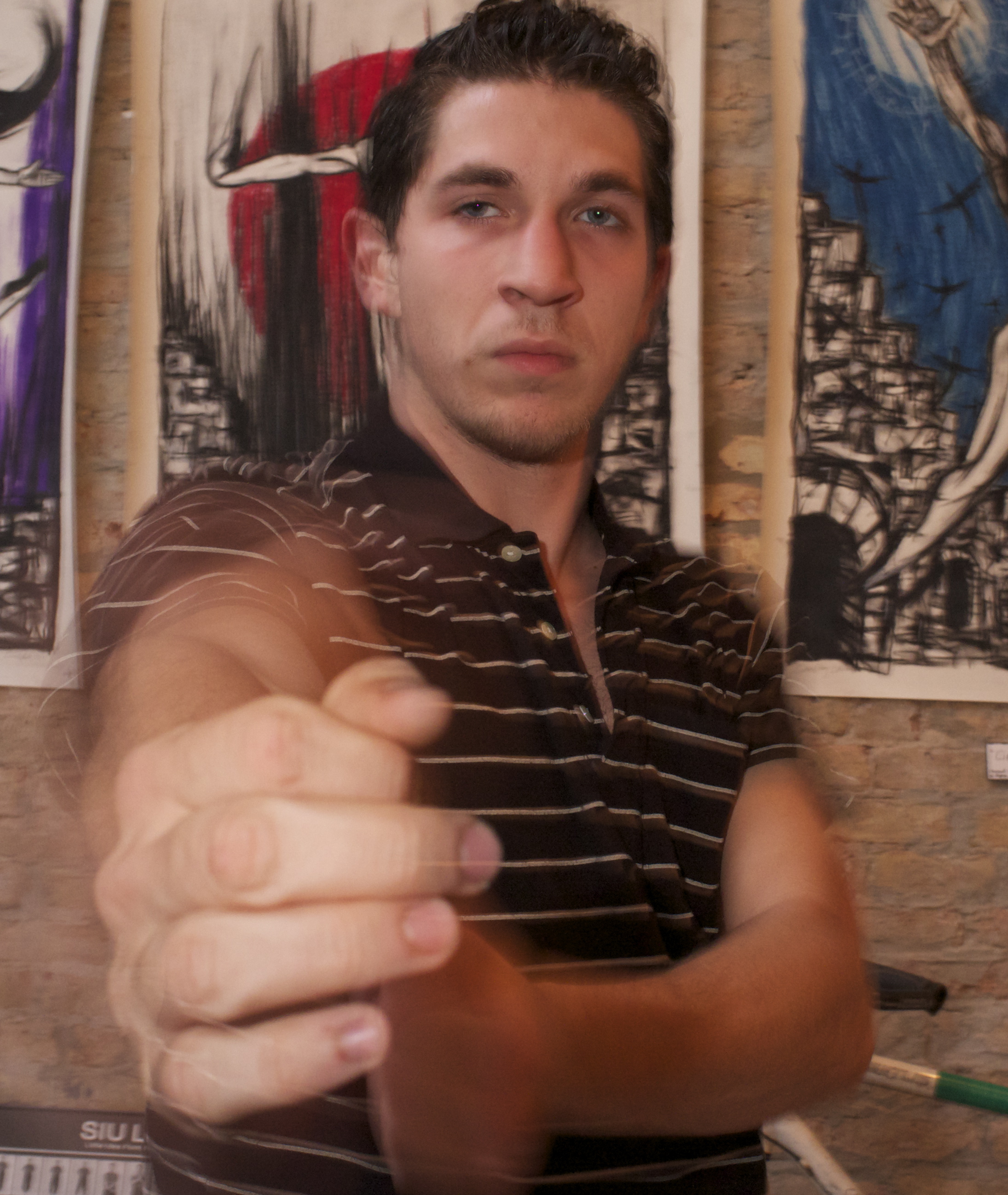
That’s it. Simple and direct, just like Ving Tsun. Maybe you were thinking I’d say something more advanced, more esoteric. But no. If you want to build your chi sau skill without a training partner, you can hardly do better than simply turning and punching, and stepping and punching. Both of these exercises can be trained solo. I’ll do my best to break this down for you.
Turning Punch and Yiu Ma
The turning punch is such a great exercise because it trains the power of our waist and stance. Using what is known in Cantonese as, Yiu Ma training, the turning punch trains us to coordinate the Yiu Ma with our hand techniques; essential for developing powerful punches. Punches made only with the arm or the upper body lack power no matter how big you are. Even a very large and powerful person will always be limited in their capacity for generating power if they don’t develop their Yiu Ma. In other words, the real power comes from the ground, is generated by the legs, then transferred to the upper body and finally to the fist. These parts of the body are known as the six points: ankle, knee, hip, shoulder, elbow and wrist. It is through the coordination of these six points that the turning punch trains so effectively.
Turning Punch and Two Directional Energy
The turning punch also trains us to use what is known in Ving Tsun as two directional energy, in which one hand pulls back as fast or faster than the one going out to strike. Two directional energy greatly increases the speed and power of our strikes. One hand pulling back can use Lop Sau (pulling hand) to borrow an opponents energy while the other hand simultaneously sends out a strike. Coordination of the six points and two directional energy are essential for good skill in chi sau and our ability to use the system of Ving Tsun in an actual self defense situation.
Another way to train the turning punch is by varying the speed and timing of our punches during workouts. Start at one speed, then pick up speed on the next couple of strikes. More like a 1-2,3 rhythm, with the first punch coming out at one speed, the second coming out faster, immediately followed by the third coming out fastest of all.
Stepping and Punching
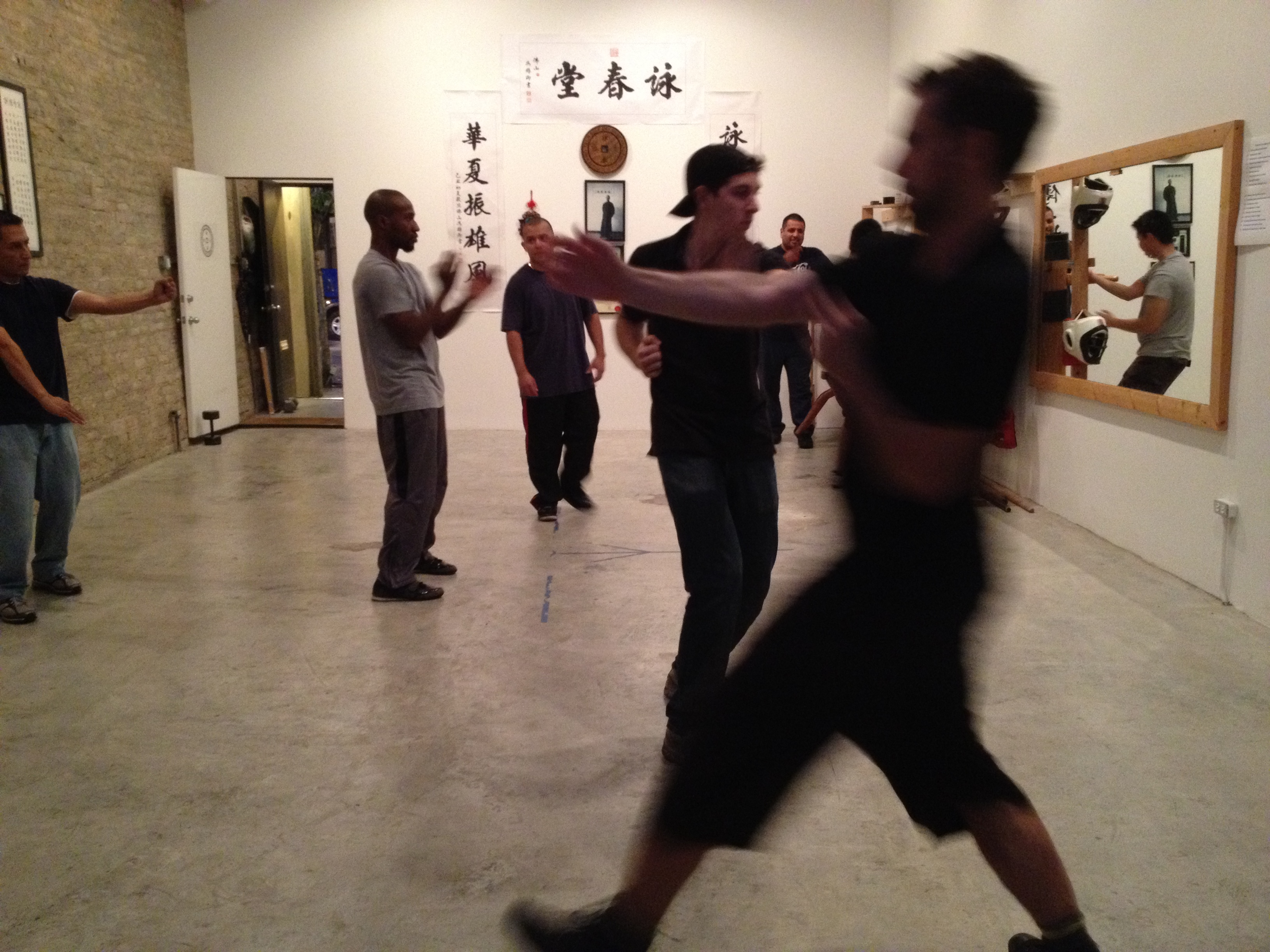
The next thing is stepping and punching. Many people are under the impression that Ving Tsun does not have very much footwork. Nothing could be further from the truth. One of the most effective and powerful steps we have is the triangle step, which comes out of the Baat Jam Do (8 cutting knife) form of the Ving Tsun system.
Fights are dynamic, they move around. We cannot prevail by just standing in one place, throwing punches. It’s essential to coordinate our stepping so that we transfer the power from those steps into our strikes. This again trains the Yiu Ma, because we’re turning, stepping and generating force with the step and a slight twist of the waist. But, we’re also training the ability to chase opponents as they back away, and training to close the gap and attack first, should that be your decision.
Finally, train sensibly.
Throwing too many punches in the air can lead to a wicked case of Lateral Epicondylitis or in layman’s terms, Tennis elbow, which is not only painful, but can slow down your training because you must take time away from your passion to let it heal. Believe me, not fun at all! So when you train, know your limits, and be careful. Throwing 100 or so punches with perfect form is better than throwing 500 of which the first 100 are perfect and the next 400 sloppy.
So there you have it. Thirty minutes is more than enough time to build your skill if you use it wisely. Pretty simple. Not complicated. Remember the old kung fu adage, “Do not worry about the 10,000 techniques your enemy knows and trains once, worry about the one technique he knows and trains 10,000 times.
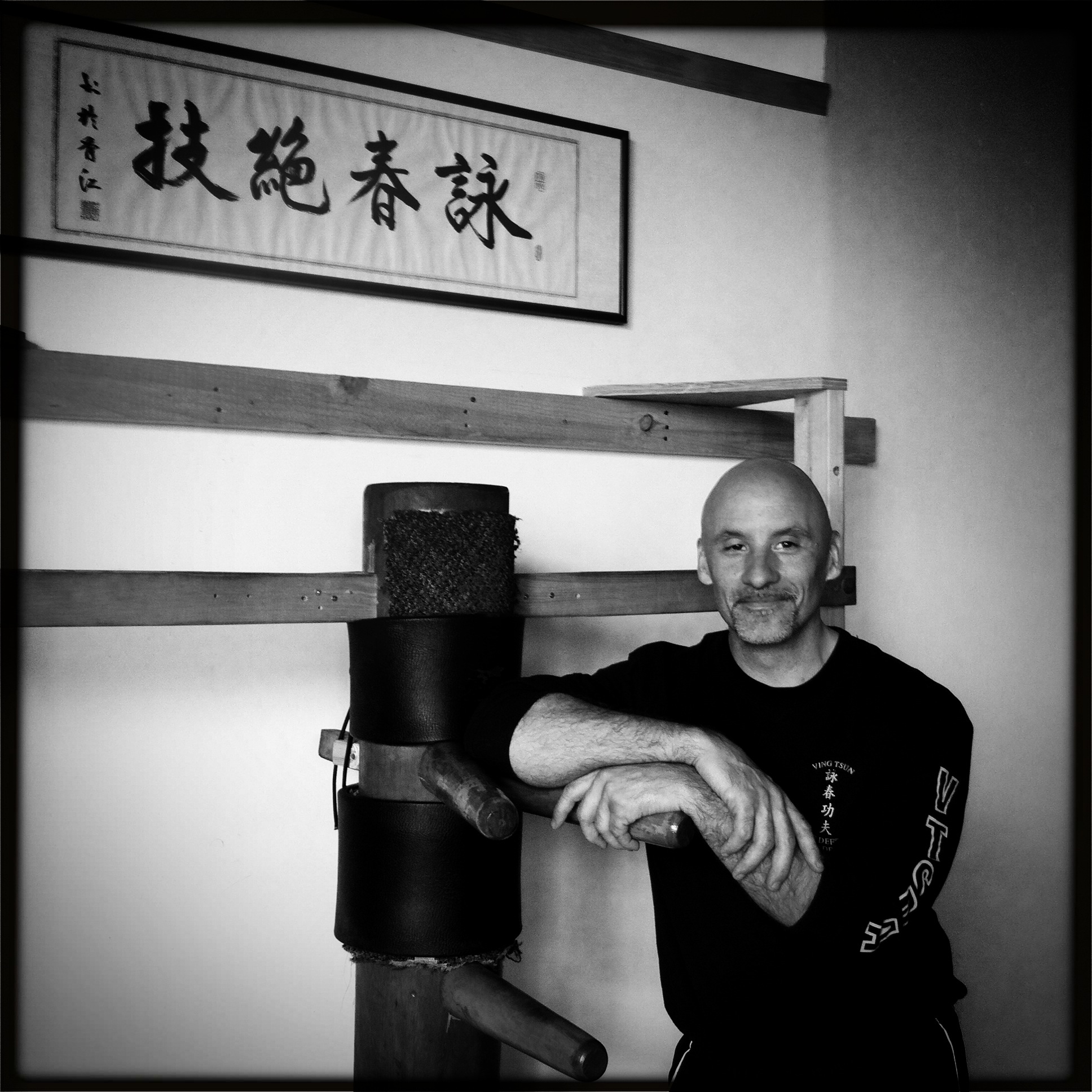
Thanks for stopping by, Sifu Matt
The academy is now offering more daytime and evening classes to better fit your schedule! Daytime class Monday, Wednesday and Saturday, and evening classes Monday thur Thursday. Call today and start your training at the only Ving Tsun school in Chicago with a direct link to the Ip Man family of the Ving Tsun system.
 Matt Johnson Ving Tsun/Chicago